At Warrigal Road, all children deserve a great teacher, not by chance but by design. We value interactive teaching to engage students in the learning process. We value data analysis to ensure targeted teaching occurs for all our students. This ensures our students have access to a quality challenging curriculum.
Staff, students, parents and the community work in partnership to enhance outcomes for every child.


We are a Sounds Write Silver Medal Accredited School 

Warrigal Road State School is proud to be a Sounds Write Silver Medal recipient. This medal is recognition for our commitment to implementing this highly respected, evidence-based phonics program to teach children how to read and spell. Sounds Write provides a clear, structured approach that builds strong foundational skills by teaching students how the sounds of English are represented by letters and how to blend and segment these sounds to read and spell words.
Spelling is taught through the same sound-to-print approach, where students learn to hear the sounds in words, connect them to spelling patterns, and apply these patterns in their writing. As children progress, they also learn about morphology (the meaningful parts of words such as prefixes, suffixes, and base words) and etymology (the origins of words). Understanding these elements helps students make sense of more complex spelling patterns and deepens their vocabulary, ensuring they develop into strong, confident readers and writers.
Our teachers are trained in the Sounds Write approach and deliver daily, carefully sequenced lessons that ensure every child receives explicit, consistent instruction. By adopting Sounds Write across the school from Prep to Year 6, we are committed to giving all learners the strongest possible start on their reading journey.
Using Decodable Texts to Teach Reading
Research by Hatcher, Hulme, and Ellis (1994) shows that children make the best progress in reading when phonological skills, such as hearing, identifying, and working with sounds are taught alongside learning to read words. With this in mind, our school's reading framework includes the use of decodable readers in the early years. These books allow children to practise the specific sounds and skills they have been explicitly taught, helping them experience success and build confidence right from the start.
This approach also ensures that teachers can closely match each child's phonics learning with the grapheme–phoneme correspondences (letter–sound relationships) they encounter in their reading materials (Castles, Rastle & Nation, 2018). When children repeatedly see and use these letter–sound patterns in meaningful text, they begin to store words efficiently in long-term memory, which is a process known as orthographic mapping.
Orthographic mapping happens when students “practise the letter-sound correspondences they are being taught by reading decodable readers, which include some high-frequency words in order to make meaningful sentences" (Department for Education SA, 2020). This process is essential for developing fluent, automatic reading, which in turn supports children's overall comprehension and enjoyment of reading.
For these reasons, students will also bring decodable texts home. Regular reading of these carefully chosen books at home gives children valuable extra practice with the same sounds and patterns they are learning in class. This consistency strengthens their skills, builds confidence, and helps them form the strong foundations needed for lifelong reading success.
Our partnership with parents
Parents play an important role in supporting their child's reading development at home. The most helpful thing you can do is listen to your child read their decodable text regularly, encouraging them to use their phonics knowledge to sound out unfamiliar words. Give them time to blend the sounds together and praise their effort as well as their accuracy. Reading the same book several times is not only okay, but also beneficial, as it builds confidence and fluency. You can also support your child by reading aloud to them, talking about new words, and discussing the story together. Keeping reading sessions calm, positive, and enjoyable helps children develop strong reading habits and a love of books. Below are some prompts you can use to support your child when they are reading to you at home.
![]()
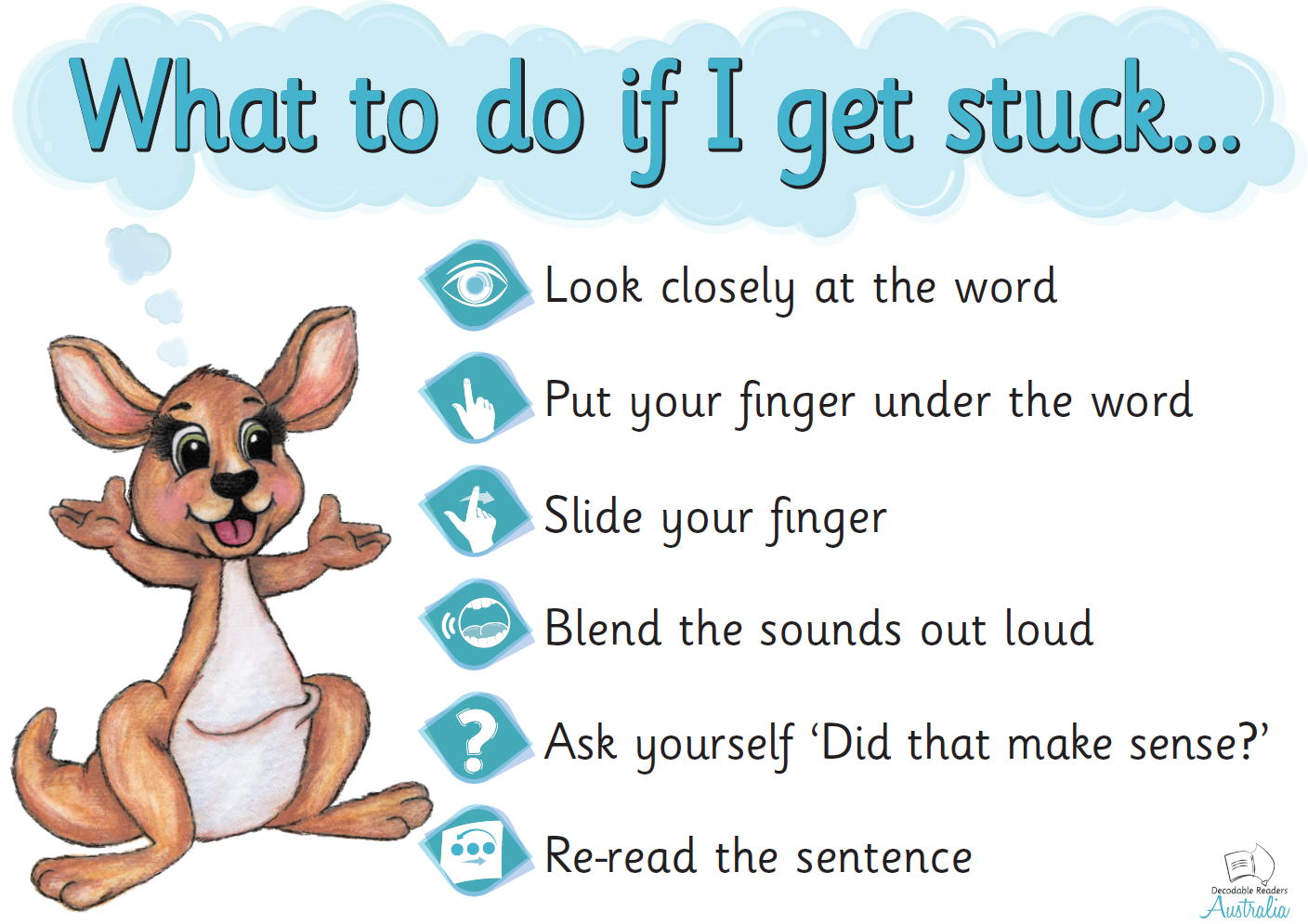 Here is a link to the Sounds Write support for parents and carers where you can find videos and podcasts to explain how you can support your child with their reading. Alternatively, your child's teacher will be only too happy to make an appointment with you to show you some of these strategies to try at home.
https://sounds-write.co.uk/support-for-parents-and-carers/
Year Level and Specialist Term Curriculum Overviews
Working Together to Help Our Children Succeed - Video Presentation
Click here to watch the video presentation.
Warrigal Road School Song
Click here to access the Warrigal Road School Song.
School Creed
We’re active respectful, responsible individuals
Growing and learning safely.